GD-IO4-01 $75/day
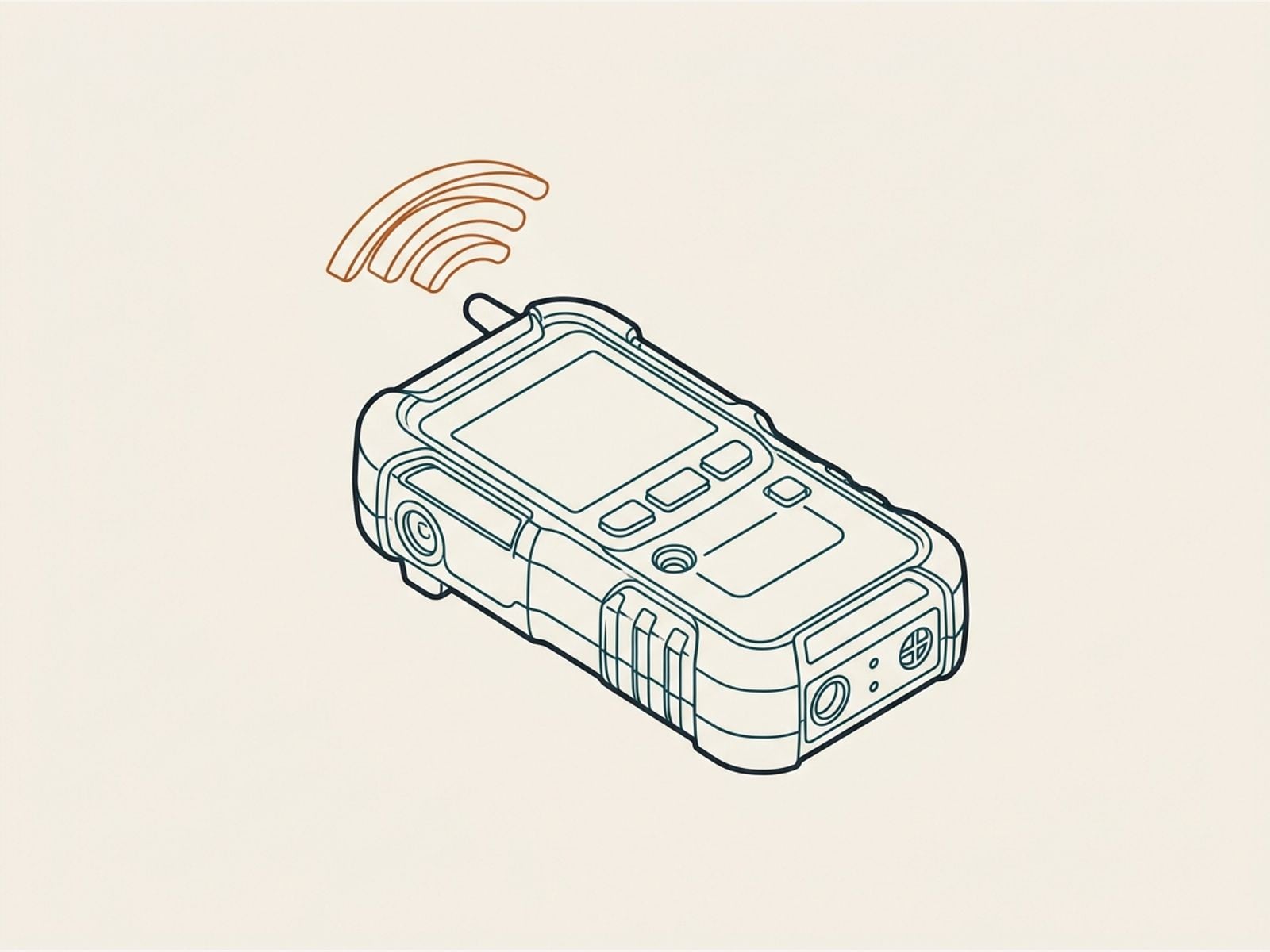
MSA Altair io 4 Connected Gas Monitor
Gases: LEL, O2, CO, H2S · Connectivity: Real-time cellular connectivity for remote dashboards
In stock
Monitoring
Live gas readings from inside the space, a camera on the opening, and a screen the attendant can actually read in daylight. Our Remote Attendant Visibility Kit puts the operator's screen at the topside as a single rental: hardware, connectivity and power included.
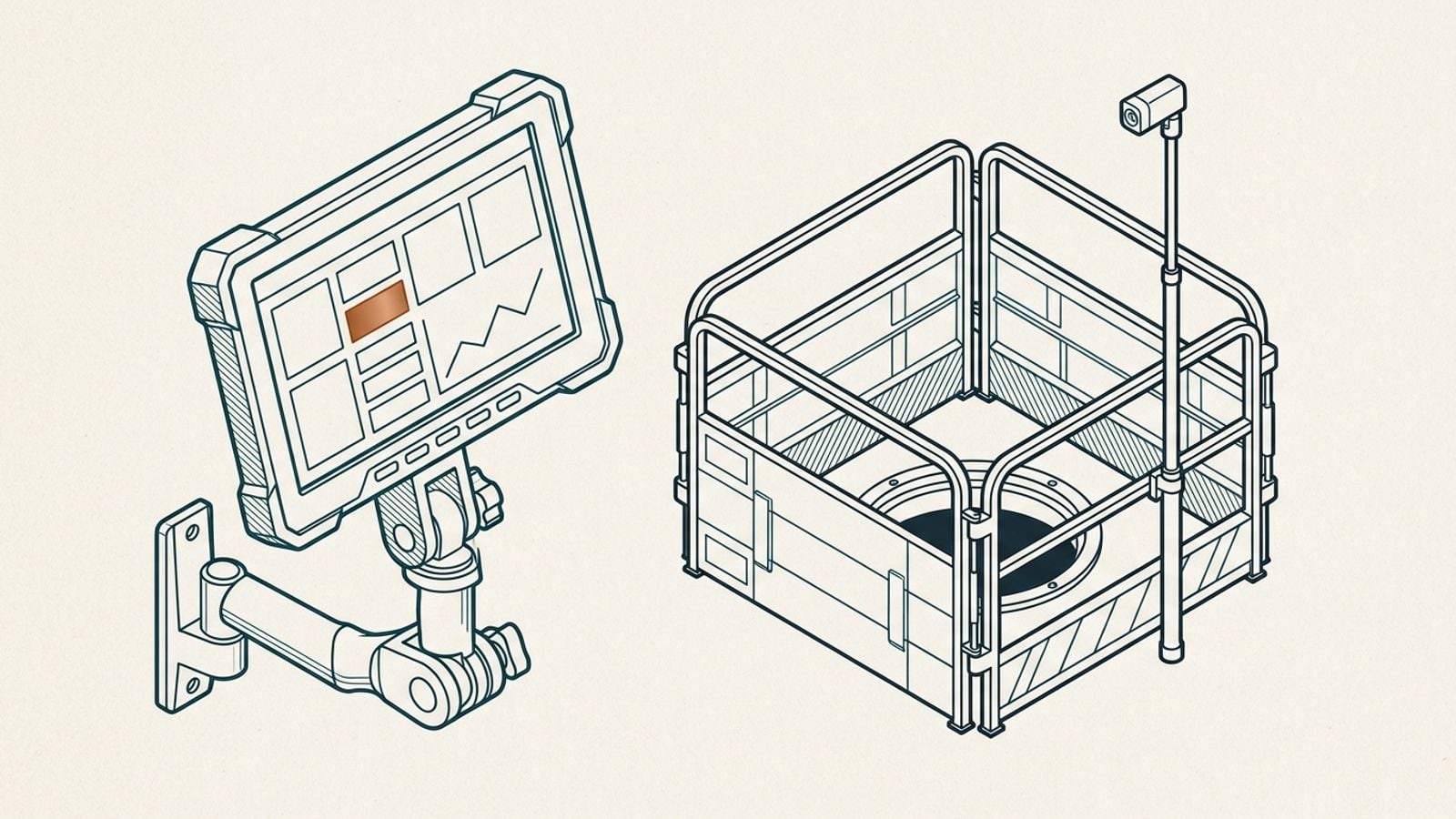
A rugged tablet or 15 in sunlight-readable field monitor, mounted on a manhole guard, so the live dashboard is readable in daylight at the topside.
An Altair io 4 on the entrant plus an area monitor at the opening, both streaming readings to the vendor cloud dashboard, so the attendant sees in-space and topside gas levels in real time.
An IS, RTSP-capable camera watching the opening, giving the attendant a second set of eyes and a recorded view of every entry and exit.
Connectivity and power sized for an 8 hour shift, so the dashboard stays live where there is no site network or mains power.
A laminated OSHA and WorkSafeBC-aligned attendant duty card plus a permit board, keeping the paperwork side of the topside organized.
Read this first
We say this plainly because the rules do. Under the OSHA centralized-monitoring interpretation, a monitoring setup can stand in for attendant requirements only when it delivers every attendant function, entrant tracking, monitoring inside the space, observation outside it, and communication, and nothing interferes with the primary duty to monitor and protect entrants.
Unless your written program meets that bar, the kit equips the attendant standing at your opening: live gas readings from inside the space, a second set of eyes on the entry point, and a record you can hand to an officer.
The dashboard is only as good as the detectors feeding it. The kit pairs a connected monitor on the entrant with an area monitor at the opening, and both rent on their own as well. The full regulatory picture is in our remote attendant monitoring guide.
Gases: LEL, O2, CO, H2S · Connectivity: Real-time cellular connectivity for remote dashboards
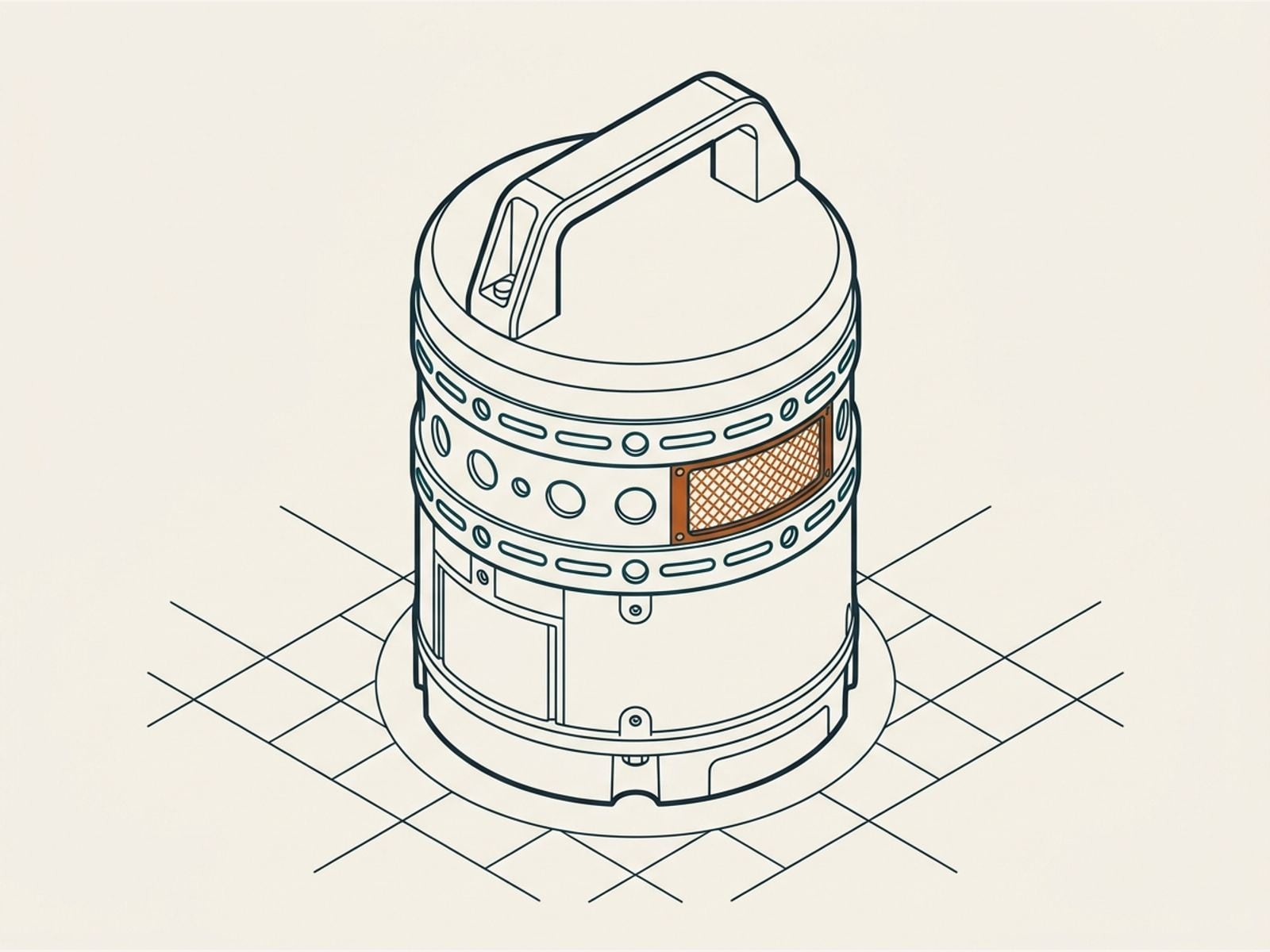
Gases: LEL, O2, CO, H2S · Deployment: Perimeter and blast zone area monitoring
The industry is moving toward AI that watches the same feeds: vision systems on the entry camera, sensor fusion across gas and video. We do not offer AI monitoring today; what we rent is the live-data foundation every one of those systems is built on. Our survey of the field is in the AI confined space monitoring guide.
Request a quote for the visibility kit
Questions about fitting the kit to your program? Contact us.