Guide / Entry Control
What Does a Confined Space Attendant Have to Do in BC?
Updated
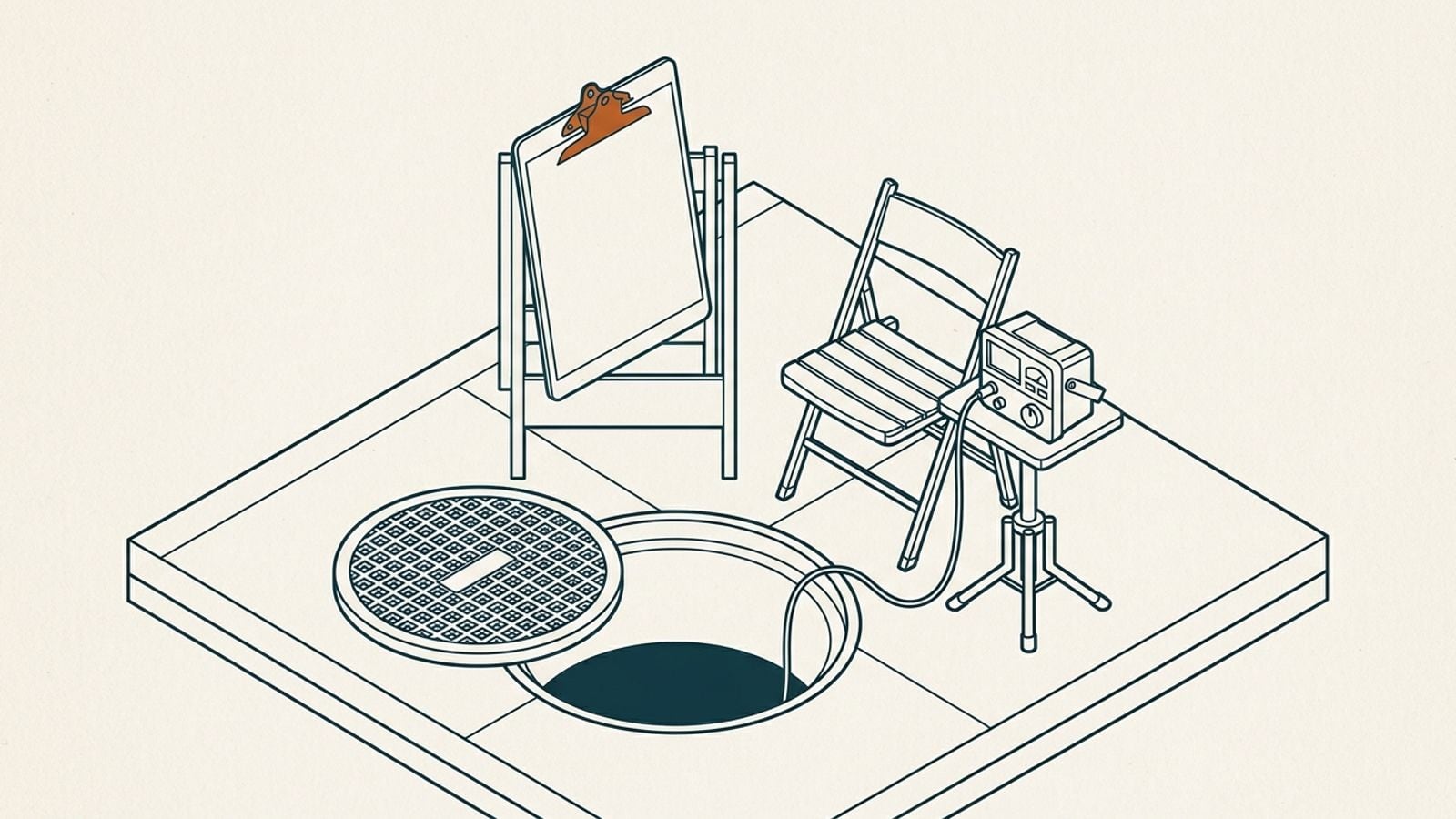
The attendant is the person standing between a routine confined space entry and a headline. Every permit-required entry puts someone inside a space that can change on them, and the attendant is the one whose whole job is noticing when it does. Here is how the role is framed in BC, how that compares with the US rule everyone quotes, and where technology can and cannot carry part of the load.
Two rulebooks, one job
In British Columbia, confined space work is governed by WorkSafeBC OHS Regulation Part 9. In the United States the equivalent is OSHA 1910.146, the permit-required confined space standard. You will meet both on BC job sites, because so much equipment documentation, training material, and software is written against the OSHA rule.
In practice, both regimes push an entry team toward the same five capability groups on site: atmospheric testing and continuous monitoring, ventilation, access and retrieval, communication and lighting, and rescue with breathing air. The attendant is the person who ties those capabilities together at the opening. The guidance below is WorkSafeBC-aligned; your own written program and a qualified person make the final call for each space.
What the attendant is there to do
Strip the role down and the attendant’s job covers a short list of functions:
- Know who is inside. Track every entrant into and out of the space, at all times, without guessing.
- Monitor conditions and activity. Watch what is happening inside the space, including the atmosphere the entrants are working in.
- Observe from outside. Stay positioned outside the space where the attendant can see or otherwise assess the entry point.
- Communicate continuously. Keep a working line to the entrants, so a change in conditions or behaviour is caught early.
- Protect the entrants. Get people out, or get rescue moving, the moment something goes wrong, without entering the space themselves.
The primary-duty rule
The single most important idea in the attendant role: monitoring and protecting entrants is the primary duty, and nothing else the attendant is asked to do may interfere with it. Paperwork, radio traffic for other crews, topside housekeeping, all of it comes second. If a task would pull attention away from the entrants, it belongs to someone else.
When remote monitoring can support the attendant
OSHA has addressed the “operator with a screen” question directly in an interpretation letter. Paraphrased carefully: a centralized monitoring system can satisfy the attendant requirements of 1910.146 when the system lets the attendant remotely track entrants, remotely monitor activity inside the space, maintain observation outside the space, and communicate with the entrants, and only so long as control-room duties never interfere with the primary duty to monitor and protect entrants.
Two cautions before you build a program around that. First, it is a US federal interpretation; a BC entry answers to WorkSafeBC, so treat the letter as the clearest available statement of the model, not as local permission. Second, the conditions are the whole point: the technology has to deliver every attendant function, not just a dashboard. We walk through the tooling side in our guide to remote attendant monitoring.
Equipping the attendant
An attendant is only as good as what they can see and hear. Three rentals cover the basics:
- A bump-tested four-gas monitor such as the MSA Altair 4XR. Its MotionAlert and InstantAlert functions, which flag an immobile user and give a user-activated alarm, are directly relevant when the topside is thin.
- An intrinsically safe two-way radio pair for continuous entrant-to-attendant communication.
- A manhole guard and permit board, so the opening stays controlled and documented.
Gear covers the equipment leg; competence is the other. Renting an attendant kit pairs with confined space entry training from our sister company OnSiteSafety, so the person at the opening knows the role, not just the hardware. If you are unsure what a specific entry needs, contact us and we will talk through the space before you book.
Before you book
Frequently asked questions
Does every confined space entry in BC need an attendant?
Confined space work in BC is governed by WorkSafeBC OHS Regulation Part 9, and for permit-required entries the attendant is a core part of the entry team under both Part 9 and the US counterpart, OSHA 1910.146. Your hazard assessment and written entry program define exactly how the role is staffed for each space, so start there rather than with a generic checklist.
Can the attendant do other work while entrants are inside?
Only if the other duties never interfere with the primary duty, monitoring and protecting the entrants. That primary-duty rule is the test OSHA applies even when it accepts centralized remote monitoring, and it is the safest standard to hold your own program to on a BC site.
Can one attendant cover more than one space?
OSHA has accepted centralized monitoring covering entrants when the system provides remote entrant tracking, remote monitoring of activity inside the space, observation outside the space, and communication with entrants, and only while nothing interferes with the primary duty. Whether that model fits a BC entry is a decision for your written program, not something a rental yard can decide for you.
What gear does the attendant actually need at the opening?
At minimum the attendant needs a way to know the atmosphere, a way to talk to entrants, and control of the opening: a bump-tested four-gas monitor, intrinsically safe radios, and a manhole guard with permit board cover those three. All of it is rentable by the day from our Lower Mainland fleet.
From the rental fleet
Gear this guide covers

MSA Altair 4XR Multi-Gas Monitor
Gases: LEL, O2, CO, H2S · Runtime: 24 h typical
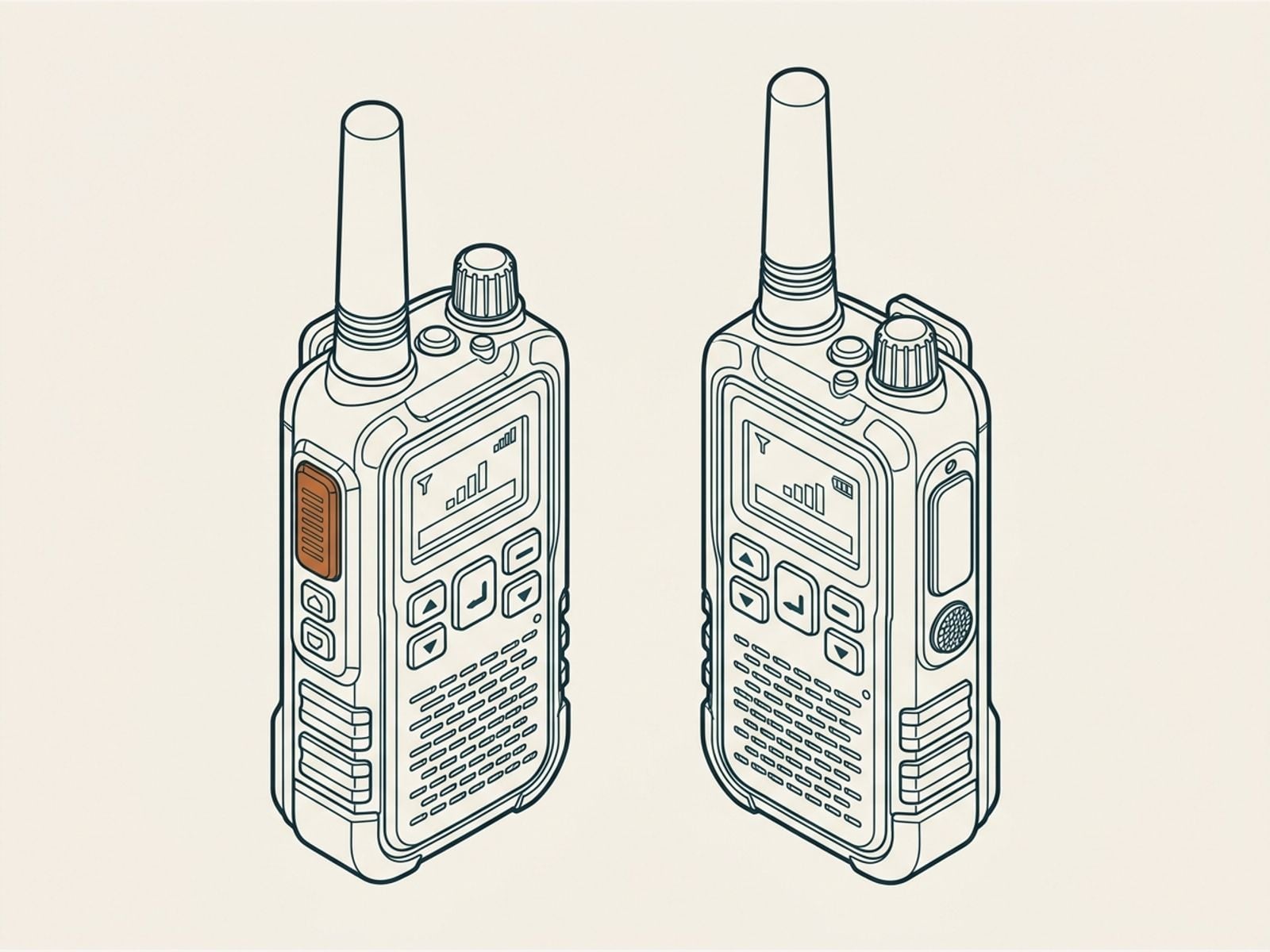
Intrinsically Safe Two-Way Radio Pair
Configuration: Pair of intrinsically safe handhelds · Use: Entrant to attendant communication
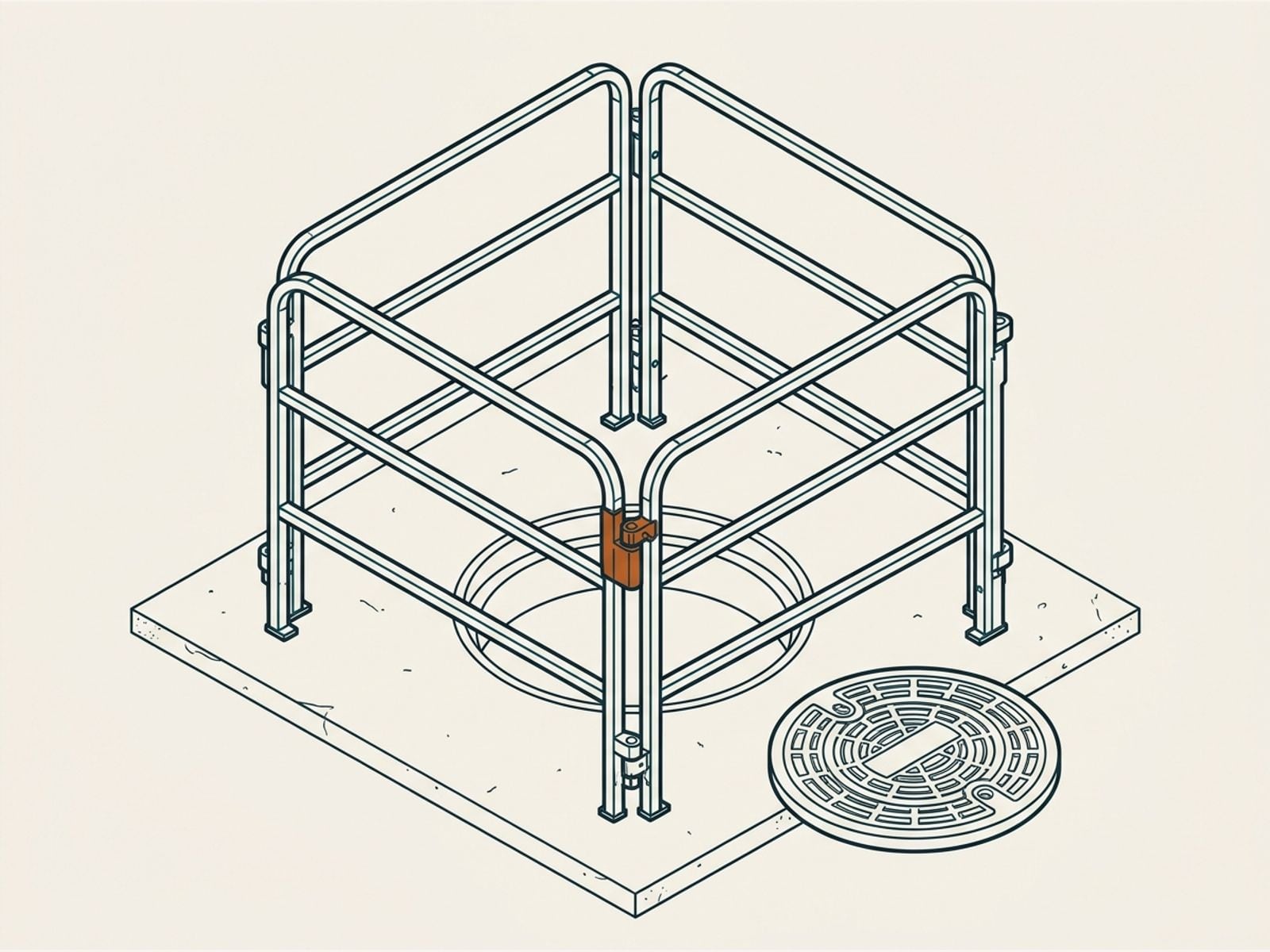
Manhole Guard
Type: Folding guardrail barrier for open manholes · Setup: Tool-free, one person