Guide / Entry Control
Can AI Monitor a Confined Space Entry? What Exists Today and What Is Coming
Updated

Ask whether artificial intelligence can watch a confined space entry and the honest answer in 2026 is: yes, it exists, it is maturing fast, and most of it runs on hardware that job sites already own. Here is a survey of what is real, what is still research, and what a Lower Mainland crew can actually do about it this season.
Vision AI on the cameras you already have
The most deployable category is vision AI that ingests standard RTSP streams from existing IP camera infrastructure, the VMS or NVR already on site, with no proprietary hardware at the opening. Trained on confined space scenarios, these systems track entry and exit events, confirm an attendant is present at the opening, and monitor how long each worker has been inside, pushing instant alerts over multiple channels when something is off.
A second family of platforms goes broader: analyzing live video to detect PPE non-compliance, unsafe movement patterns, unauthorized entry, and early hazard signs such as fire, smoke or gas leaks, with the ability to switch AI modules to match the operation of the day. Adoption is being pushed hard by tightening regulation in jurisdictions across the Middle East and Asia, and the same pressure logic applies anywhere regulators take confined space seriously.
The common thread is worth noting: these are aids layered onto the entry, not replacements for the attendant. They watch the things a human watches, and they escalate to humans.
Sensor fusion: the research frontier
The research direction goes past cameras alone. Current work combines RFID and BLE worker tracking with health parameters like body temperature, SpO2 and pulse, uses 5G manhole antennas to extend coverage underground, and layers AI visual perception on top. Adaptive multimodal fusion prototypes have reported 92.4 percent activity-recognition accuracy and 94.3 percent emergency-scenario identification, holding up even under simulated sensor degradation.
On the atmosphere side, fusing gas sensor arrays with thermal cameras through convolutional neural networks produces fewer false positives and fewer false negatives than either modality alone. That matters operationally: false alarms are what make crews mute alarms.
This is still the lab-to-pilot stage, but the trajectory is clear. The monitoring stack of the next decade reads the worker, the atmosphere and the video together, not separately.
Robots before people: drone pre-entry inspection
The third branch is already commercial: collision-tolerant inspection drones carrying onboard real-time gas detection now substitute for human pre-entry in restricted or hazardous assets. Instead of a person making the first descent into a tank or vault, the drone flies the space, maps it and reads the atmosphere before anyone opens a permit. For assets where entry itself is the biggest risk, pre-entry is being handed to machines first.
What this means for your crew today
Here is our honest position. This is where the industry is heading, and every one of these systems is built on the same foundation: live data from the space reaching a screen at the topside. That foundation is commodity hardware today, and it is what we rent.
Our attendant station rentals are the practical first step: a connected gas detector on the entrant streaming readings to a live dashboard, an area monitor at the opening, an intrinsically safe camera on the entry point, and a rugged sunlight-readable screen with LTE and battery so the attendant sees all of it in real time. To be precise about what we do and do not offer: we do not rent AI monitoring today. The kit puts the data in front of a human attendant, which is both the compliant model for almost every program and the exact substrate the AI platforms above plug into when your organization is ready.
No amount of AI changes who is accountable at the opening, so the attendant behind the screen still needs confined space entry training from our sister company OnSiteSafety. For what the regulators have said about remote and centralized monitoring, read our remote attendant monitoring guide, and see the monitoring section for the kit itself. To put a visibility kit on your next entry, request a quote.
Before you book
Frequently asked questions
Can AI replace the confined space attendant?
No. Vision AI platforms are marketed as a layer that watches alongside the attendant, flagging things like a missing attendant at the opening or an entrant overstaying. The regulatory bar for replacing a physically present attendant is the OSHA centralized-monitoring interpretation, which sets strict conditions on tracking, observation and communication, and it describes human operators in a control room, not an algorithm.
Do I need special cameras for vision AI monitoring?
Generally no. A key selling point of the current platforms is that they run on existing IP camera infrastructure, ingesting standard RTSP streams from the VMS or NVR already on site, rather than requiring proprietary hardware at the opening.
Does Confined Space Rentals offer AI monitoring?
Not today. We rent the connected-hardware layer that this whole category is built on: connected gas detectors feeding a live cloud dashboard, an area monitor at the opening, an intrinsically safe camera, and the rugged screen, power and LTE connectivity the attendant needs to see it all. AI analysis on top of that feed is where the industry is heading, and it is on our radar, but we do not claim to rent it in v1.
What is the most practical step a crew can take right now?
Get the live data flowing. A connected detector on the entrant streaming gas readings to a dashboard the attendant can see, plus a camera on the opening, delivers most of the day-to-day value the AI platforms build on, and it is commodity hardware you can rent today as our Remote Attendant Visibility Kit.
From the rental fleet
Gear this guide covers
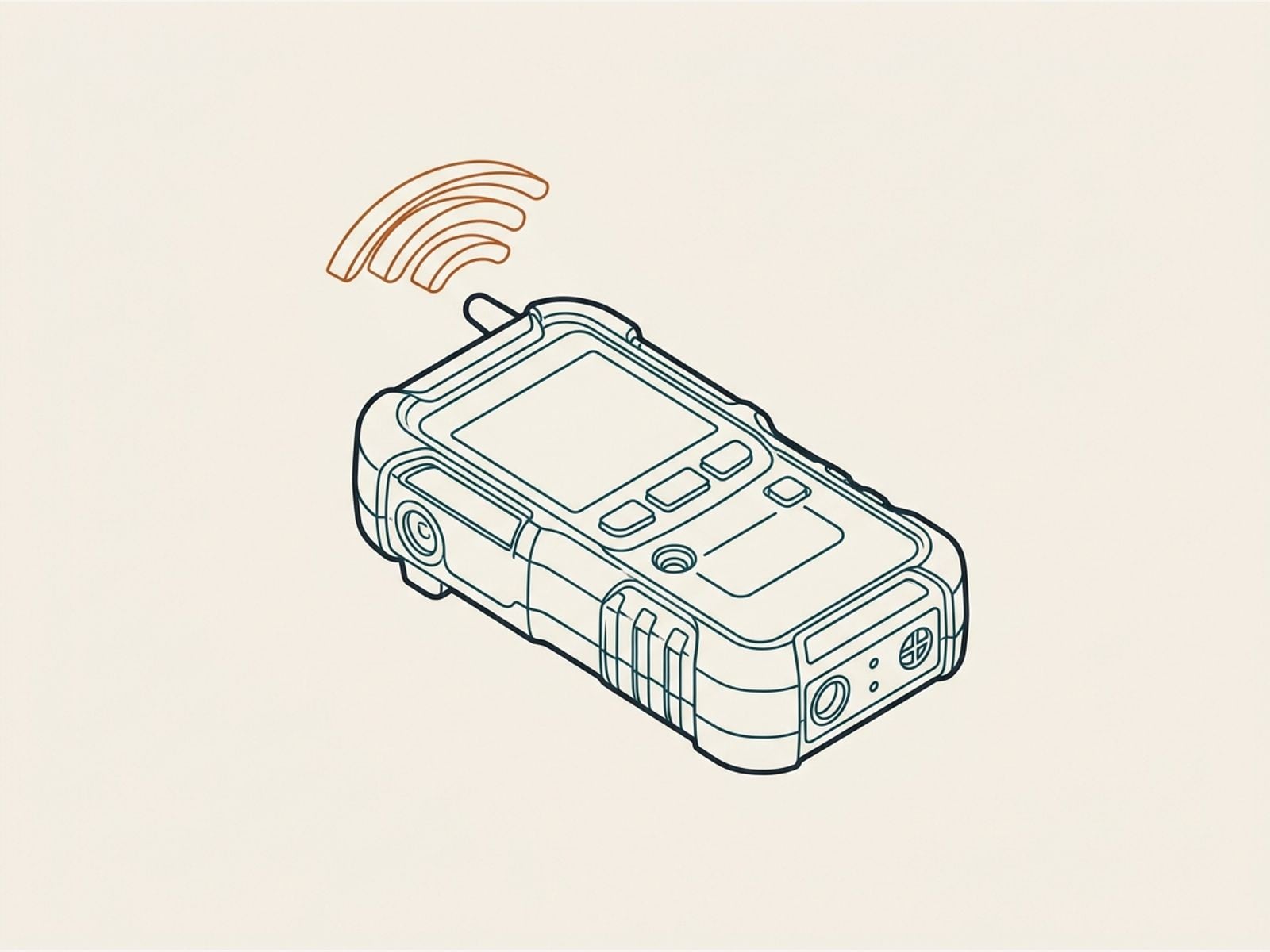
MSA Altair io 4 Connected Gas Monitor
Gases: LEL, O2, CO, H2S · Connectivity: Real-time cellular connectivity for remote dashboards

Industrial Scientific Ventis Pro5 Multi-Gas Monitor
Gases: LEL, O2, CO, H2S · Connectivity: Shares alarms and gas readings with peers and attendant
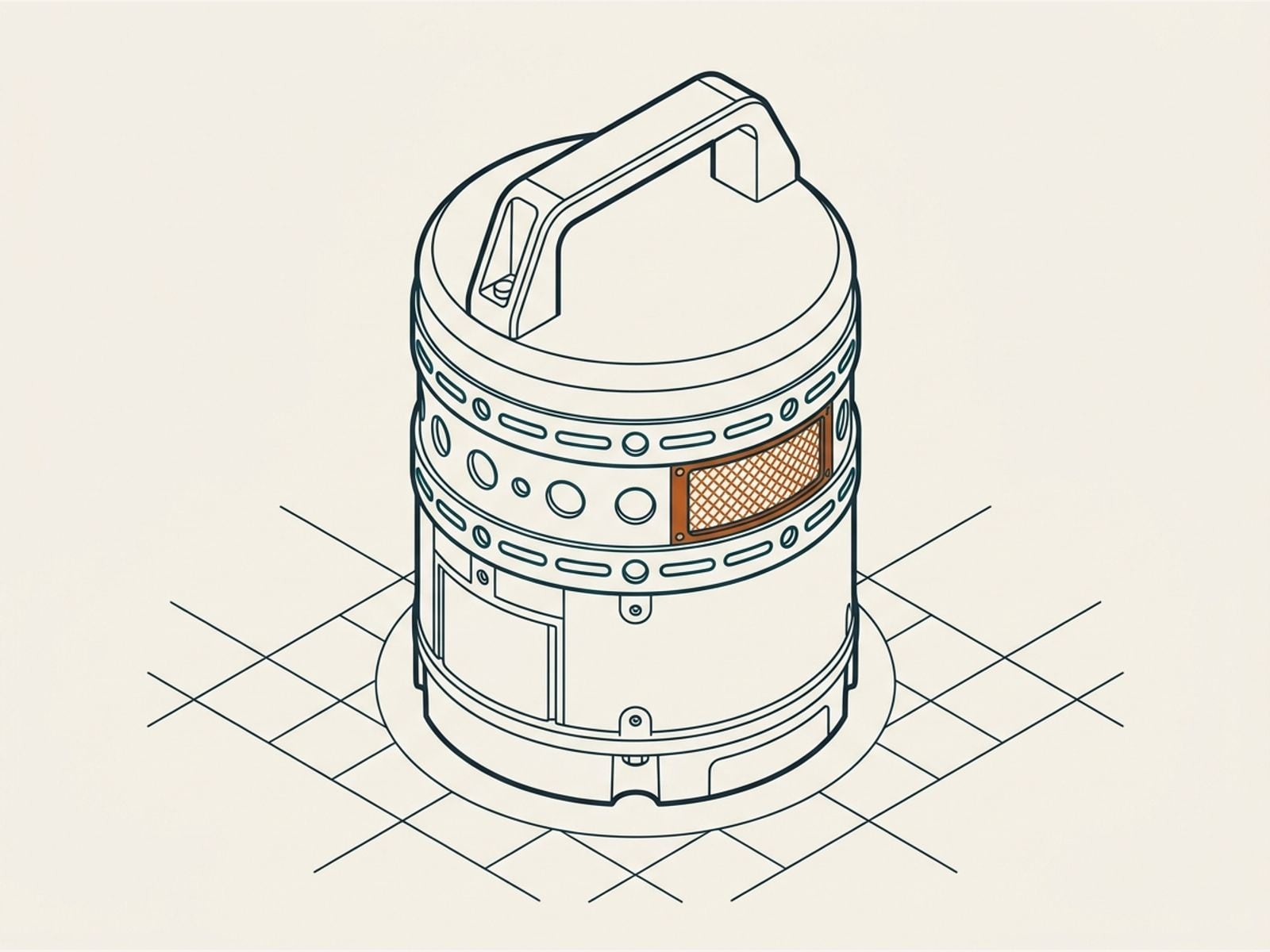
Industrial Scientific Radius BZ1 Area Monitor
Gases: LEL, O2, CO, H2S · Deployment: Perimeter and blast zone area monitoring