Guide / Rescue & Breathing Air
What Rescue Equipment Does a Confined Space Entry Actually Need?
Updated
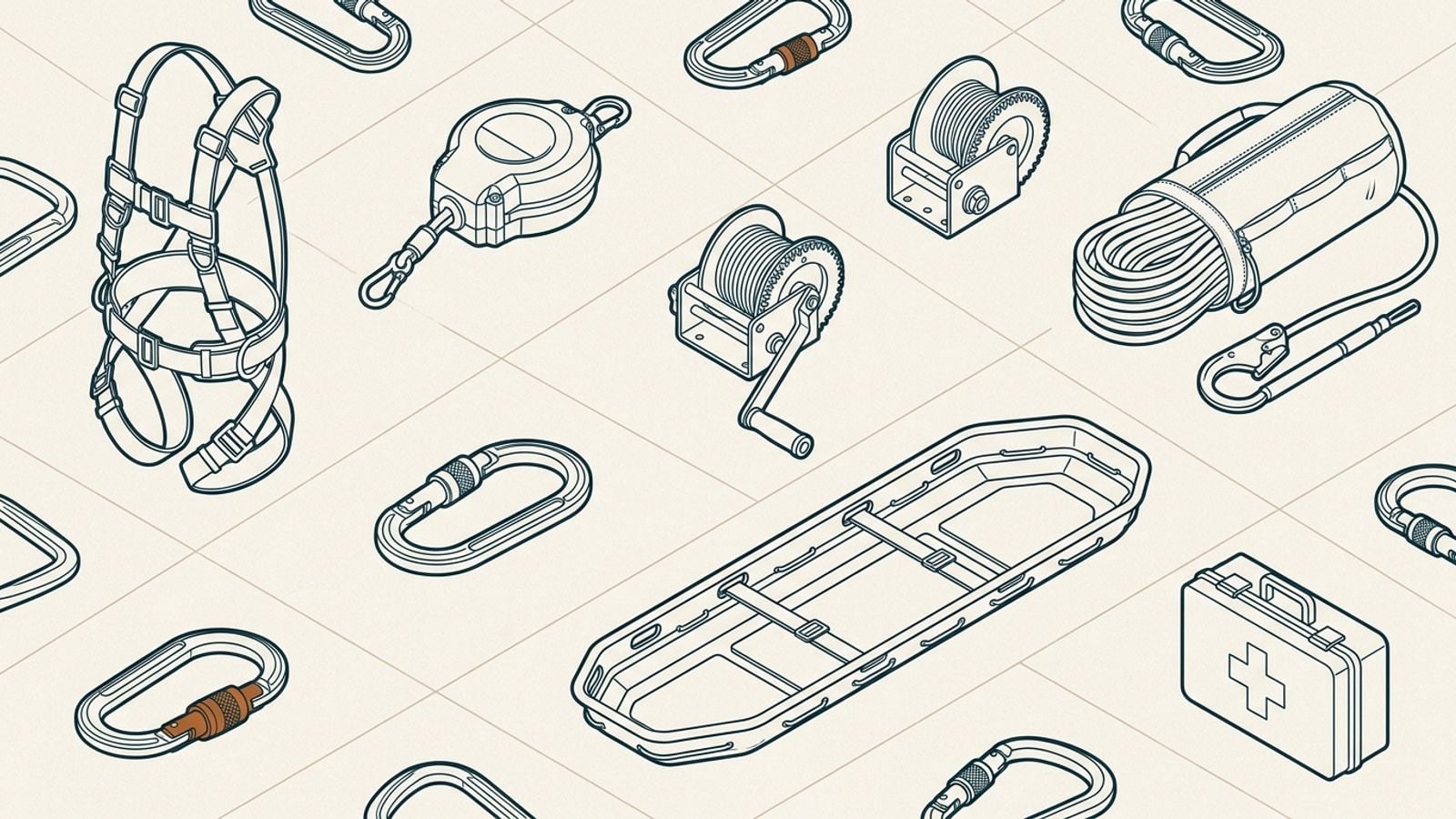
A permit-required confined space entry under OSHA 1910.146, or WorkSafeBC OHS Regulation Part 9 for BC crews, requires five capability groups on site in practice. Miss one and the entry is not ready, however good the other four are. Use this as your loading-dock checklist before the truck leaves.
The doctrine before the gear: non-entry retrieval first
The single most important line in any rescue plan is the one already attached to the entrant. Plan for non-entry retrieval first: the entrant wears a harness connected to a retrieval line on a winch or SRL-R anchored above the opening, so the attendant can bring them out without a second person entering the space. Entry rescue is the fallback, and best practice is to rig for both from the start, a primary man-riding winch plus a backup fall protection device, so the team can switch from non-entry to entry rescue immediately without re-rigging.
Every item below serves that doctrine.
1. Atmospheric testing and continuous monitoring
- Multi-gas monitor for each entrant, bump-tested and calibrated, standard four-gas coverage (LEL, O2, CO, H2S)
- Pumped monitor with sampling probe and tubing for pre-entry testing from outside the space, before anyone goes down
- Area monitor at the opening for continuous topside readings
- Calibration gas and bump test kit for multi-day jobs
Test before entry, monitor continuously during entry. A reading taken this morning does not cover this afternoon.
2. Ventilation
- Axial blower sized for the space, 8 in for typical manholes, 12 in for larger volumes
- Ducting to reach the work zone, with the honest airflow number being CFM through duct with bends, not free-air CFM
- Intrinsically safe or pneumatic blower where the atmosphere requires it
Purge before entry, then keep continuous airflow running for the duration.
3. Access, fall protection and non-entry retrieval
- Tripod for round manholes, or davit system for oversized, square or rectangular openings (our tripod vs davit guide covers the choice)
- Man-riding personnel winch as the primary means of lowering, raising and retrieval
- SRL-R as backup: a self-retracting lifeline with rescue capability, designed not only to arrest a fall but to retrieve an injured worker by raising or lowering them
- Full-body harness for every entrant
On harnesses, one detail matters more than most spec sheets admit. Rescue harnesses are usually the same as fall protection harnesses, with attachment at the dorsal D-ring, but raising an unconscious casualty from the dorsal point deviates the head from vertical. For vertical extraction through a manhole, that is the argument for a harness with shoulder retrieval D-rings, which keep the casualty upright in the opening. It is why our stocked rescue harness has them.
Look for systems meeting ANSI/ASSP Z359.1, with CSA Z259 equivalents for BC.
4. Communication and lighting
- Intrinsically safe two-way radios between entrant and attendant
- Hardline comms for deep entries where radio does not reach
- Intrinsically safe, C1D1-rated area lighting and headlamps
The attendant cannot protect an entrant they cannot hear. If the rescue plan depends on the entrant calling for help, comms are rescue equipment.
5. Rescue and breathing air
- SCBA packs where the rescue plan requires a rescuer to enter, 30-minute packs as the working standard
- Supplied-air system with egress bottles for longer works in bad atmospheres
- Pre-rigged rescue kit so nobody is building a mechanical advantage system during an emergency
Breathing air rentals carry certification requirements, and our cylinders ship hydro-tested with current test dates shown on the certificate. We confirm certification details with you before reserving.
What our kits cover
- Contractor Entry Kit: 7 ft tripod, man-riding winch, 3-way SRL-R, full-body harness, four-gas monitor, 8 in blower with 15 ft duct. That covers the three legs entry kits are judged against, lowering and retrieval, fall protection, and atmosphere, in one rental.
- Municipal Manhole Kit: guard rails, davit or tripod, four-gas monitor, blower, intrinsically safe headlamps.
- Tank Turnaround Kit: pumped monitor with probe, area monitor, 12 in blower, hardline comms, attendant station.
Comms, breathing air and dedicated rescue gear are added per your hazard assessment. Equipment is one leg of a rescue plan; the people who will use it are the other, which is where confined space rescue and entry training from our sister company OnSiteSafety comes in. Our guidance is WorkSafeBC-aligned, and if you want us to sanity-check a load list against your space, request a quote with the space description and we will flag any gaps.
Before you book
Frequently asked questions
What does non-entry retrieval first actually mean?
It means the entrant goes into the space already connected to a retrieval line on a winch or SRL-R anchored overhead, so if something goes wrong the attendant can bring them out without anyone else entering the space. Sending a second person in is the fallback, not the plan, which is why the retrieval rigging is set up before the first entry, not after an incident.
Why do rescue harnesses have shoulder D-rings?
Rescue harnesses used in confined space work are usually the same as fall protection harnesses, with attachment typically at the dorsal D-ring. The problem is that raising an unconscious person from the dorsal point deviates the head from vertical. Shoulder retrieval D-rings keep the casualty upright for vertical extraction through a tight opening, which is why we stock full-body harnesses with shoulder D-rings.
Do I need SCBA on every confined space job?
Not on every job, but rescue planning has to account for the atmosphere the rescuer would face. Where the hazard assessment calls for it, that means SCBA packs or a supplied-air system with egress bottles on site, and breathing air rentals carry certification requirements, so we confirm those with you before reserving.
Does one rental kit cover the whole checklist?
Our Contractor Entry Kit covers retrieval, fall protection and atmosphere in one rental: tripod, man-riding winch, 3-way SRL-R, full-body harness, a four-gas monitor and a blower with duct. Comms, lighting, breathing air and dedicated rescue gear are added per the hazard assessment for your specific space.
From the rental fleet
Gear this guide covers
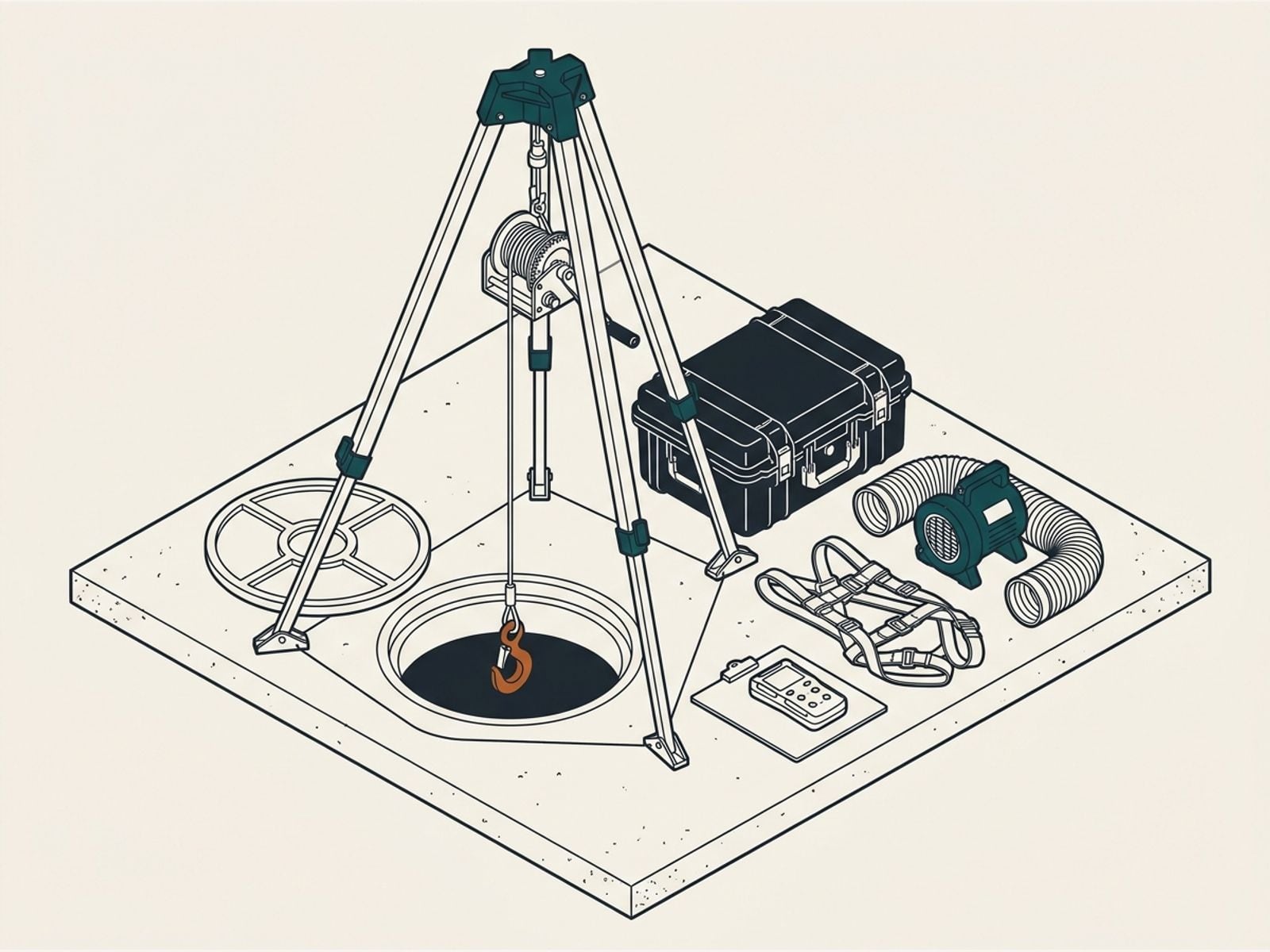
Contractor Entry Kit
Retrieval: 7 ft tripod with man-riding winch, 3-way SRL-R backup · Atmosphere: Altair 4XR four-gas monitor, bump-tested with certificate
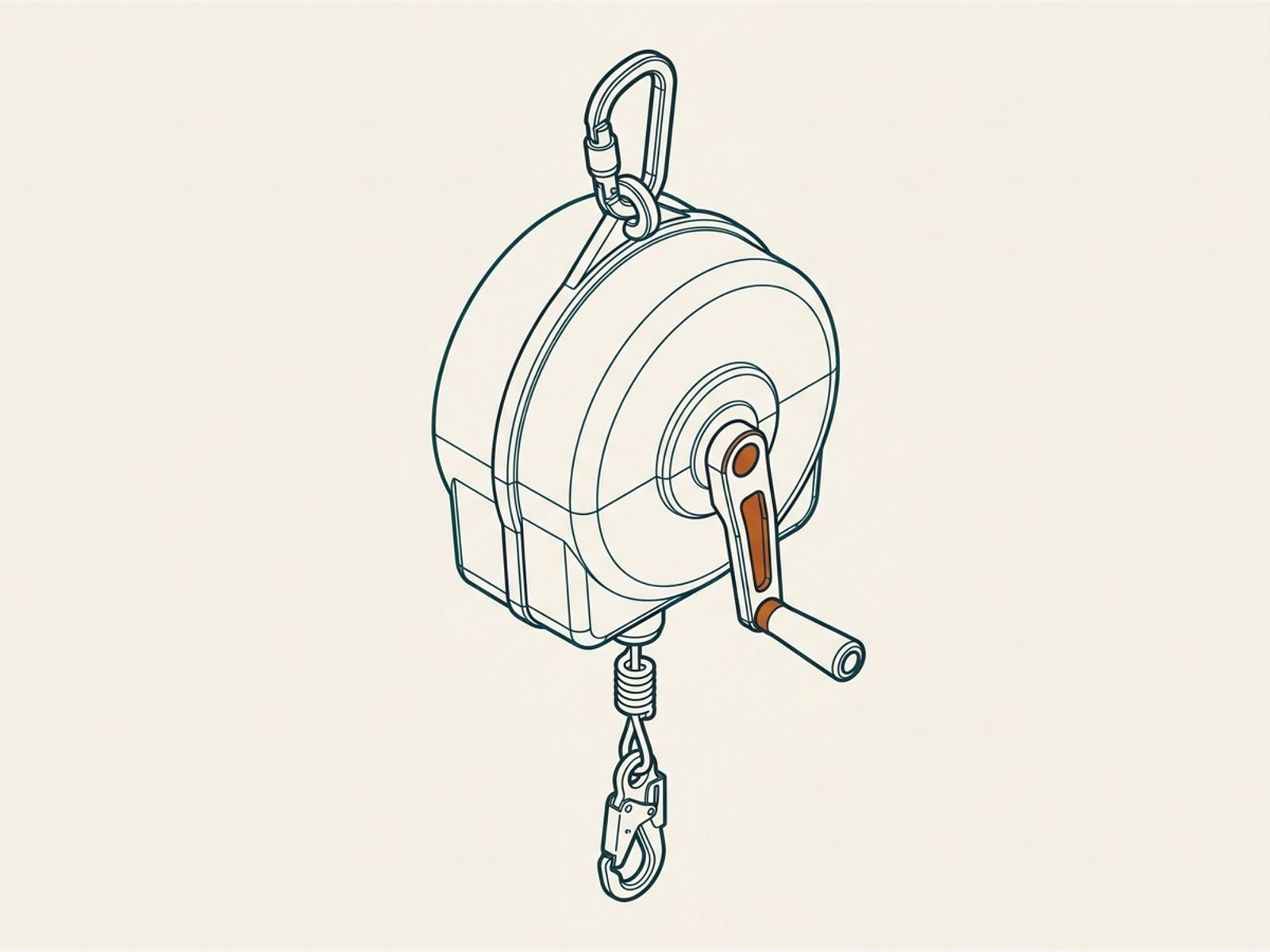
3M DBI-SALA Sealed-Blok 3-Way SRL-R
Type: Self-retracting lifeline with rescue and retrieval mode · Modes: Fall arrest plus raise and lower retrieval
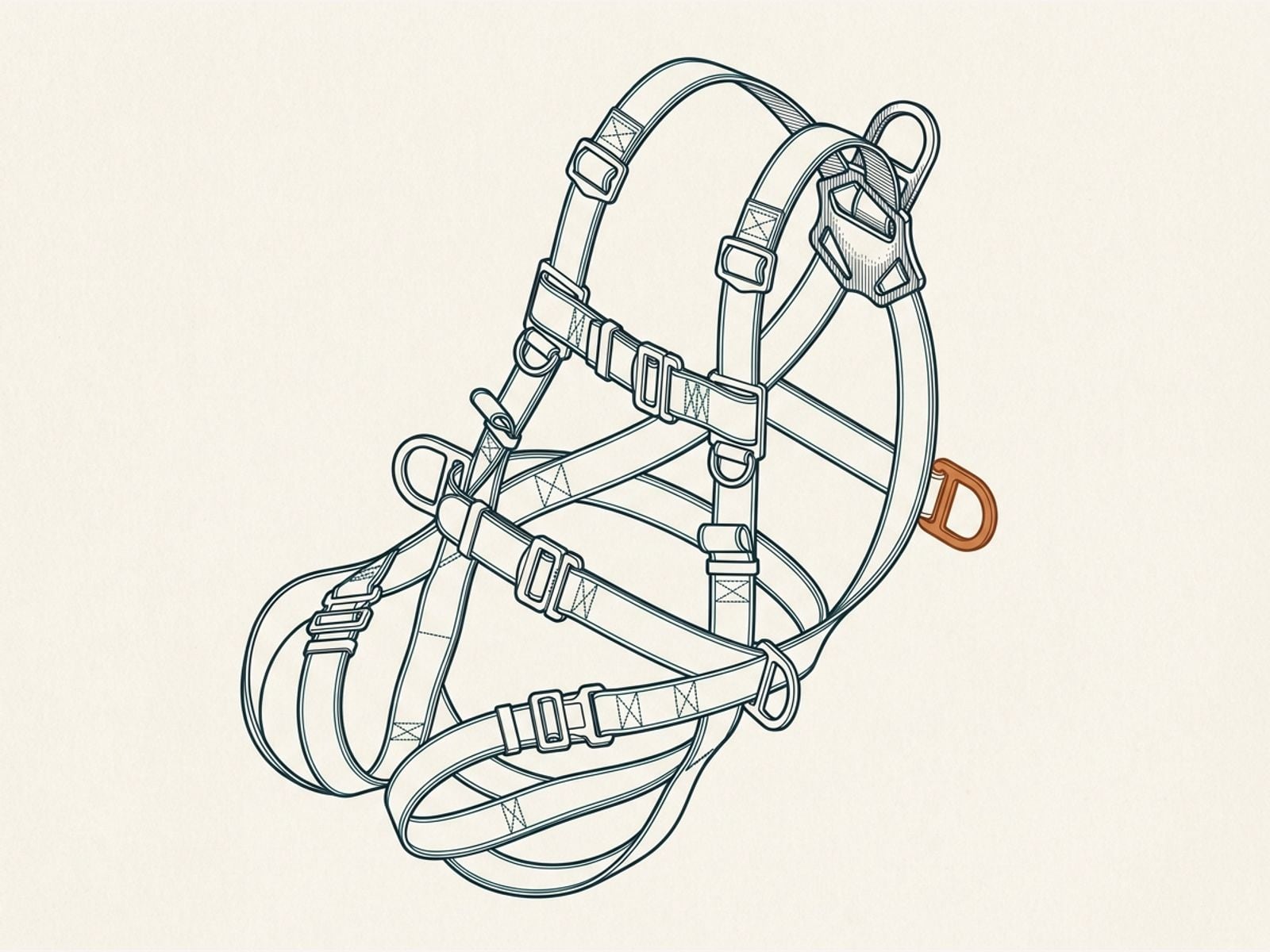
Full-Body Rescue Harness with Shoulder D-Rings
Attachment points: Dorsal D-ring plus shoulder retrieval D-rings · Sizing: Universal fit range, confirm size at booking
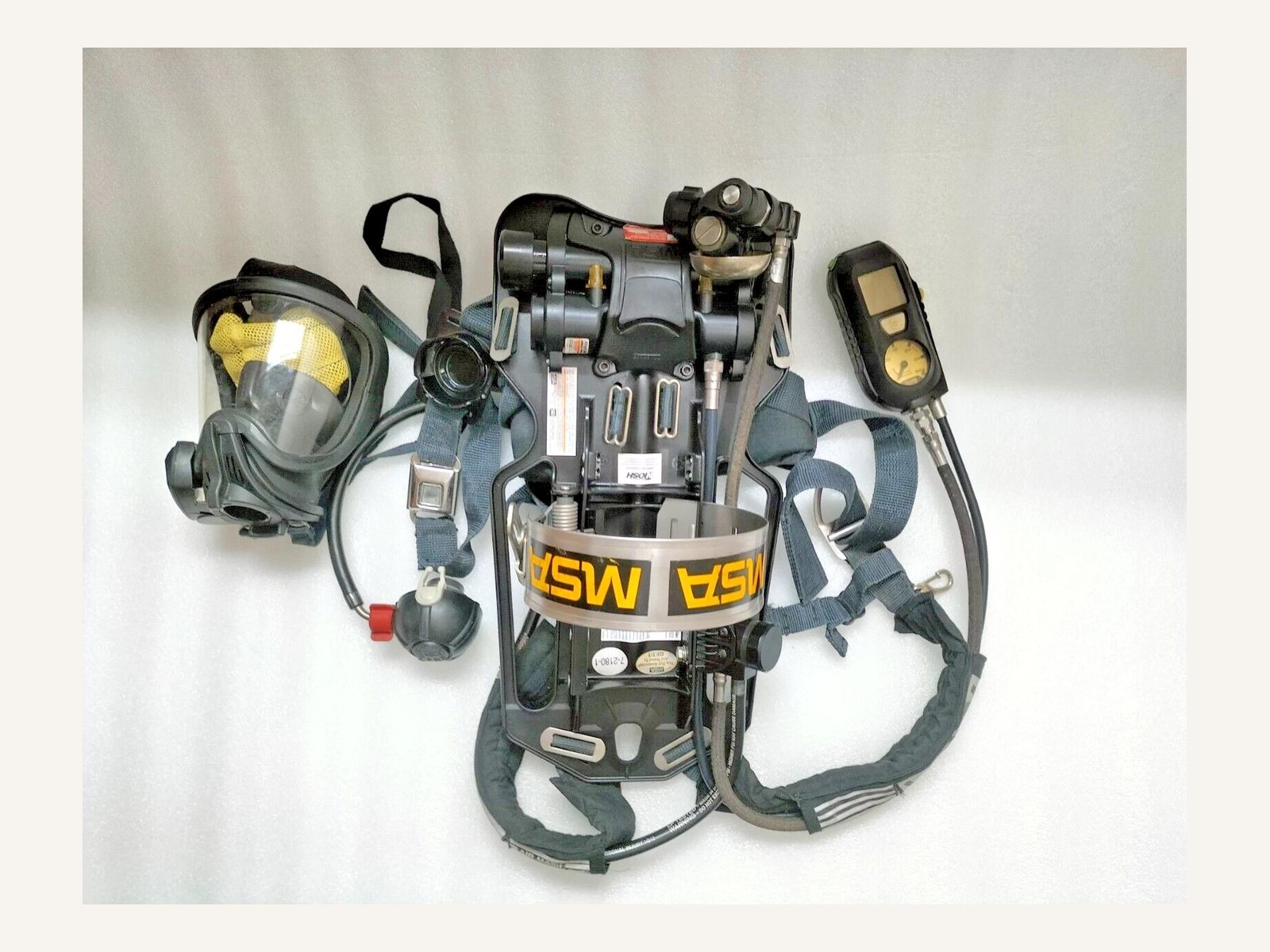
MSA FireHawk M7 SCBA 30-Minute Pack
Duration: 30-minute cylinder · Cylinder: Hydro-tested, current test date shown on certificate